
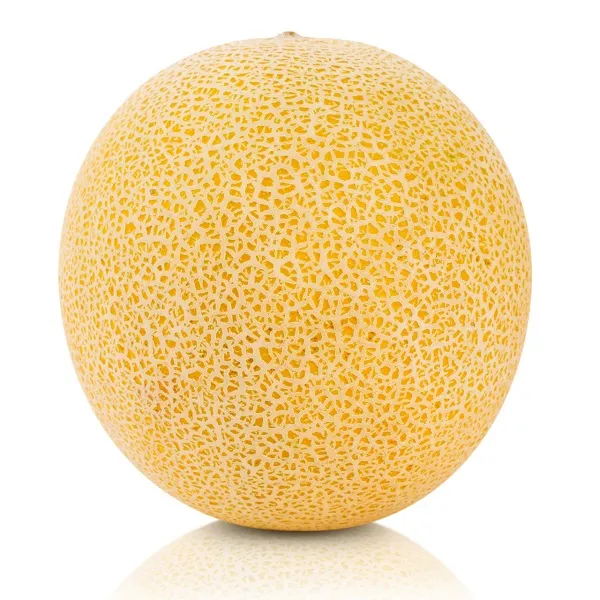
Description
ZELORA Melon Seed is a hybrid variety developed in Germany, featuring improved characteristics such as high yield, uniform fruit size and shape, significantly enhanced quality, increased disease resistance, and greater tolerance to environmental stresses.
This hybrid melon seed produces fruits with a thicker rind, longer shelf life, and superior flesh quality compared to standard market varieties. In addition, this imported melon variety shows higher resistance to diseases such as Fusarium wilt and powdery mildew, which reduces the need for chemical spraying and simplifies farm management.
Moreover, the high sugar content (Brix) and excellent flesh texture make ZELORA melon an ideal choice for both export markets and domestic consumption, as detailed below.
Characteristics of ZElORA Melon Seed
As mentioned above, ZELORA melon seed, due to its numerous quality advantages—each representing a selection of the best traits from premium global melon varieties—has proven capable of producing export-grade, high-quality fruits. The key characteristics are summarized below.
Appearance and Fruit Characteristics
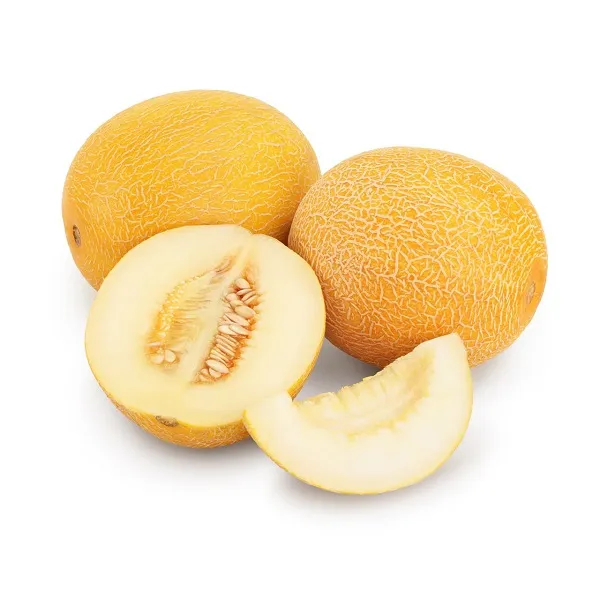
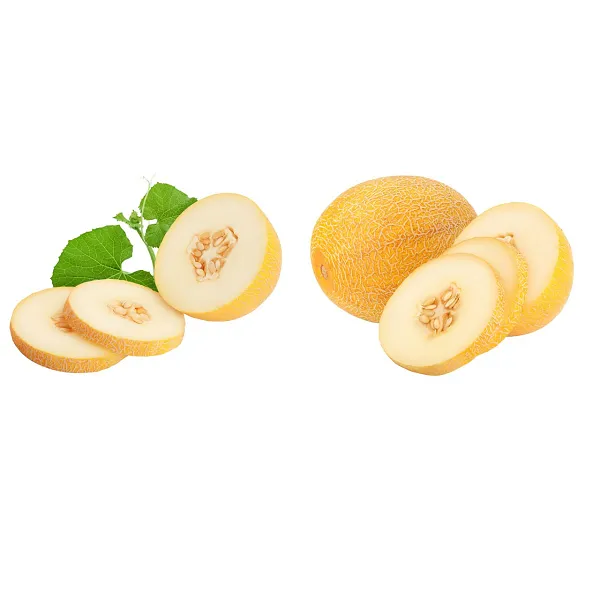
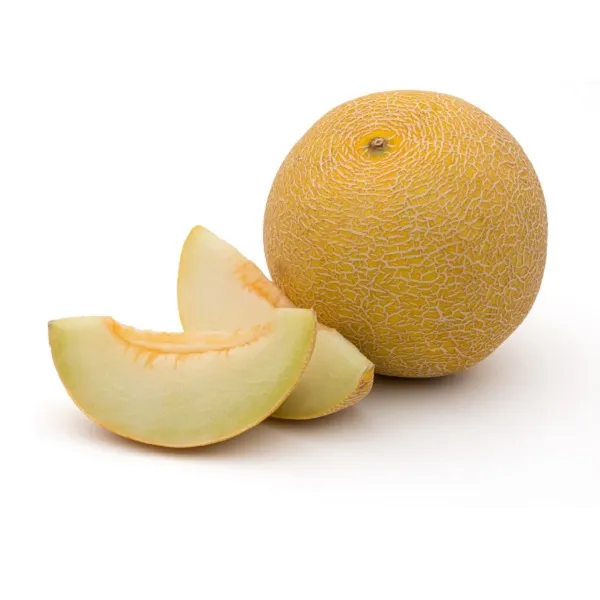
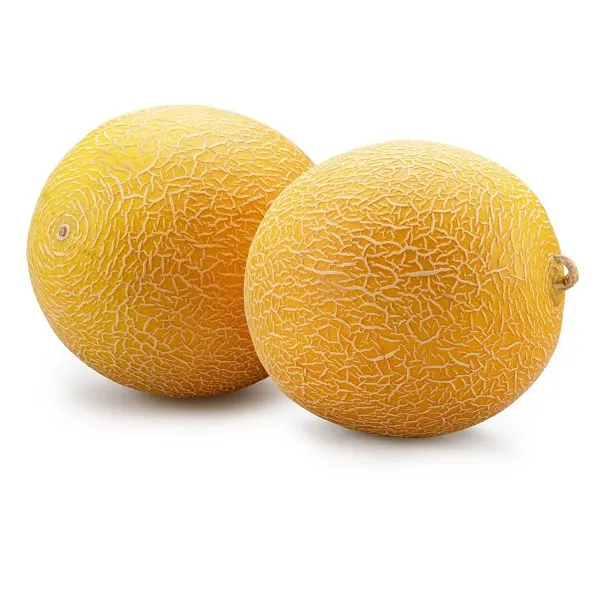
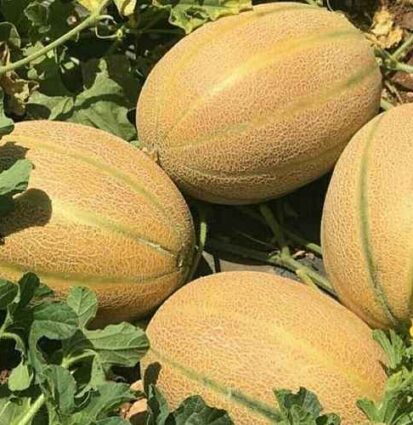
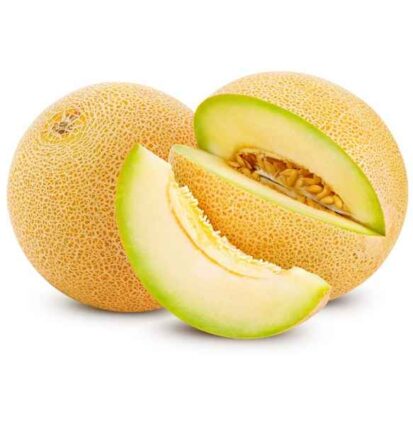
- Fruit Shape: Round
- Rind Color: Golden yellow
- Rind Texture: Rough and netted
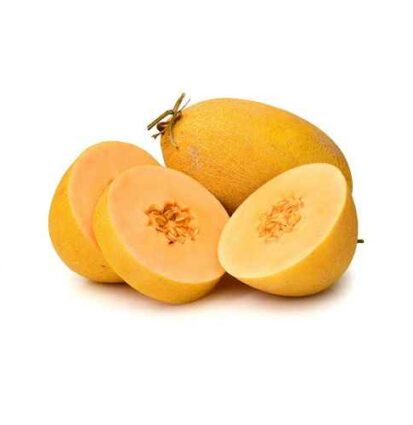
- Flesh Color: Light green
- Flavor and Aroma: Aromatic, sweet, high Brix
- Fruit Weight: 1.5 to 3 kg
- Rind Thickness: Thick, with high shelf life
- Rind Netting Pattern: Rough, broken net lines
- Flesh Texture: Firm, crisp, and sweet
- Seed Cavity: Small cavity with few seeds
- Number of Fruits per Plant: 2 to 3 fruits
Fertilization and Nutritional Requirements
To achieve high yield, vigorous plant growth, and premium-quality fruits, ZELORA melon seed requires a precise and balanced nutrition program. Proper nutrition includes the application of organic matter, macro-nutrients, and micro-nutrients at different growth stages, as outlined below:
1. Soil Preparation (Before Planting)
- Organic Fertilizers: Apply 20–30 tons of well-decomposed farmyard manure per hectare to improve soil structure and organic matter content.
- Phosphorus and Potassium Fertilizers:
- Triple Super Phosphate (TSP): 100–150 kg/ha to promote strong root development
- Potassium Sulfate: 100 kg/ha to enhance fruit quality and sweetness
2. Early Growth Stage (1–4 Weeks After Planting)
- Nitrogen (N): 50 kg/ha for rapid vegetative growth
- Calcium (Ca): To prevent blossom-end rot and strengthen cell walls
- Micronutrients: Foliar application of iron (Fe), zinc (Zn), and manganese (Mn) to support vigorous plant growth
3. Flowering and Fruit Set Stage
- Nitrogen: Moderate application (excess nitrogen leads to excessive vegetative growth and reduced fruit set)
- Phosphorus and Potassium:
- Phosphorus (P): Improves flowering and pollination
- Potassium (K): 200 kg/ha potassium sulfate to increase fruit size and quality
- Boron (B) and Molybdenum (Mo): Foliar application to enhance pollination and fruit setting
4. Fruit Development and Ripening Stage
- High Potassium (K): Essential for increasing fruit weight, improving color, and enhancing sugar accumulation
- Magnesium (Mg): Foliar application of magnesium sulfate to improve photosynthesis and flesh quality
- Reduced Nitrogen: To limit excessive vegetative growth and focus plant energy on fruit ripening
5. Important Recommendations
- Use slow-release fertilizers to ensure continuous nutrient availability
- Apply fertilizers along with irrigation (fertigation) for better nutrient uptake
- Reduce irrigation during the final growth stages to increase sugar content and prevent fruit cracking
Reviews
There are no reviews yet.